
Change Your Toothbrush Every 3 Months
Blog:Change Your Toothbrush Every 3 Months
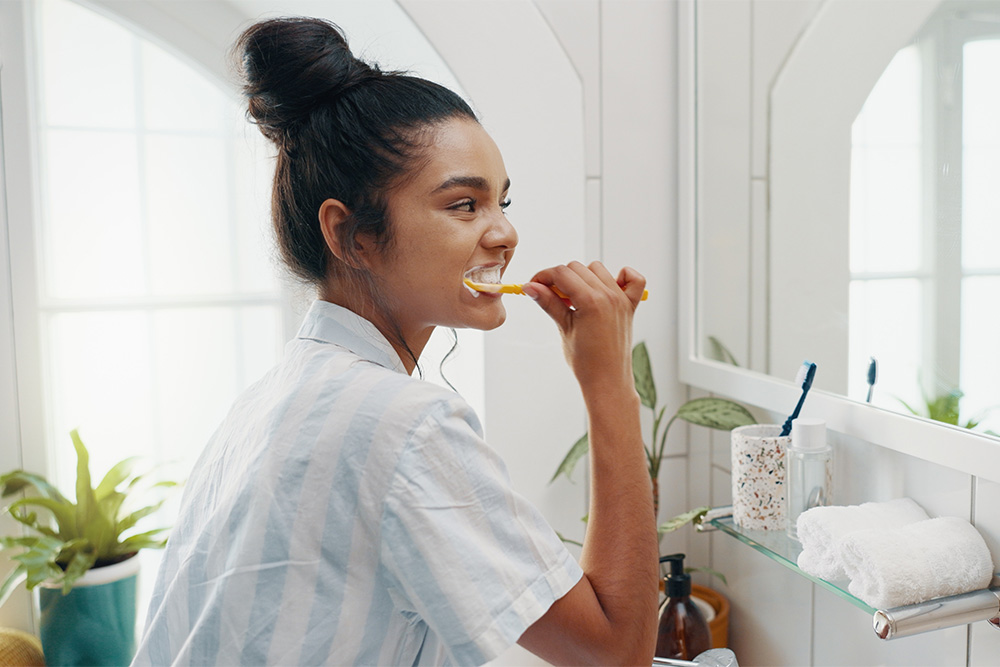
Why Our Encinitas’ Dentist Recommends Changing Your Toothbrush Every 3 Months
Brushing your teeth is a vital part of maintaining your oral health. We’re taught how to brush our teeth from an early age and told we should brush at least twice a day. Beyond the frequency that we brush our teeth, we also need to make sure that we’re using the appropriate techniques, as well as using quality toothbrushes.
At San Diego Premier Dental Group, our Encinitas dentist, Dr. Dena recommends replacing your toothbrush once every three months or sooner. Many people believe that the idea that you should change out your toothbrush every 3 months is a marketing technique to buy more toothbrushes. However, there are multiple reasons why dental professionals recommend changing your toothbrush every three months.
Bacteria Buildup. For one, after you brush your teeth, bacteria and plaque inhabit your toothbrush. In a similar way that dirt becomes transferred to a sponge when you clean, bacteria also become transferred to toothbrushes. The longer you use a certain toothbrush, the more bacteria will take over the brush.
Worn Out Bristles. Another reason you should change your toothbrush every three months is that over time, your toothbrush bristles will become worn out. Worn-out bristles tend to be more abrasive on your gums, which can lead to premature gum recession and inflammation in your gums.
After Sickness. If you are dealing with a cold, flu, or other viral infection, you should change your toothbrush to avoid reinfecting yourself. Viruses and bacteria can remain in your toothbrush bristles, leading to cross-contamination into your family’s toothbrushes or reinfection. You should dispose of your toothbrush after sickness, and replace it with a fresh toothbrush.
Signs to Replace Your Toothbrush
You might need to replace your toothbrush sooner than three months. If you brush with too much pressure, you will probably notice your bristles becoming worn out before three months. As soon as you realize that your toothbrush bristles are pointing in the wrong direction or becoming worn down, you should replace it. However, as a general rule of thumb, you should try to replace it every three months.
Keeping Your Toothbrush Clean
People might try to use various cleaning agents to clean their toothbrushes after dropping them or getting sick. Unfortunately, this can actually cause more harm to your teeth and gums.
To keep your toothbrush as clean as possible, make sure you rinse it well after use, then let it air dry. Avoid storing your toothbrush in a small and enclosed space, as this promotes the growth of bacteria. When storing your toothbrush in a cup or toothbrush holder, avoid letting it touch other toothbrushes, which can transfer bacteria.
Oftentimes, patients try to sterilize their toothbrushes by boiling, microwaving, or washing them in a dishwasher. Exposing your toothbrush to excessive heat can warp your brush’s bristles, making them less effective at cleaning your teeth.
Should You Use an Electric or Manual Toothbrush?
It is hard to say if an electric toothbrush or manual toothbrush is better for your oral health. After all, not all electric toothbrushes and not all manual toothbrushes are created equal.Some electric toothbrushes are more effective than others and vice-versa. Whether you want an electric or manual toothbrush is a matter of preference. For instance, if your manual toothbrush is working for your oral health situation, and you have not experienced decay or cavities, it is better to not change your habits. However, if you have a hard time reaching certain teeth or deal with regular cavities and decay, then we recommend switching to a more effective electric toothbrush.
Electric toothbrushes can also be a good option for the elderly when coordination and strength are lacking. Beyond using proper brushing habits, it is also important to make sure you are going to the dentist twice a year for professional cleanings, as well as flossing daily! Want to know more about your oral health routine? Schedule an appointment with your Encinitas dentist today at 760-943-7788.
Quick Links
Helpful Articles
article_category: products
article_category: psychiatry
article_category: faqs
article_category: cats
article_category: general
article_category: services
article_category: technology
article_category: dogs
article_category: restorative
article_category: vision therapy
article_category: contact lenses
article_category: health
article_category: conditions
article_category: eye surgery co-management
article_category: exotic
article_category: cosmetic
article_category: surgical procedures
article_category: aesthetics
article_category: preventative
article_category: ocular disease management
article_category: eyeglasses
article_category: eye health
article_category: large animal
[]
article_category: psychiatry
article_category: faqs
article_category: cats
article_category: general
article_category: services
article_category: technology
article_category: dogs
article_category: restorative
article_category: vision therapy
article_category: contact lenses
article_category: health
article_category: conditions
article_category: eye surgery co-management
article_category: exotic
article_category: cosmetic
article_category: surgical procedures
article_category: aesthetics
article_category: preventative
article_category: ocular disease management
article_category: eyeglasses
article_category: eye health
article_category: large animal
[]
Flowbite is an open-source library of interactive components built on top of Tailwind CSS including buttons, dropdowns, modals, navbars, and more.
Check out this guide to learn how to get started and start developing websites even faster with components on top of Tailwind CSS.
All Dental Services
We offer a wide variety of dental services to the Encinitas community. Contact us with any questions about our services.
Keep In Touch
For non-urgent questions or to learn more about our services, contact us today!
Quick Links
Contact Info
- 1403 Encinitas Blvd. Suite D
Encinitas, CA 92024 - Phone: (760) 943-7788
- Fax: (760) 943-9988
Hours of Operation
- Monday 9:00am - 6:00pm
- Tuesday 9:00am - 6:00pm
- Wednesday 9:00am - 6:00pm
- Thursday 9:00am - 6:00pm
- Friday Front Office Only
- Saturday By Appointment
- Sunday Closed
- Monday
- Tuesday
- Wednesday
- Thursday
- Friday
- Saturday
- Sunday
- Monday
- Tuesday
- Wednesday
- Thursday
- Friday
- Saturday
- Sunday
© 2026 Dr. Dena - San Diego Premier Dental Group. All rights Reserved -
Accessibility Statement
-
Privacy Policy
-
Sitemap
Managed and Designed by 